https://unsplash.com/photos/a-large-area-with-buildings-and-roads-SRoA10H6hmc
Build Value From the Ground Up
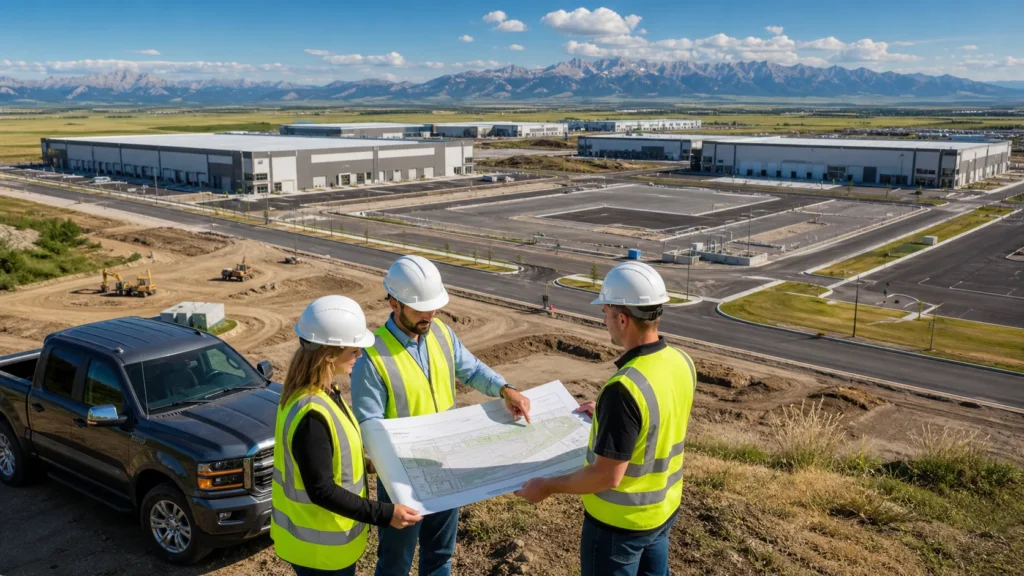
Industrial land is more than an empty parcel with a sign on it. Investment-ready land has a clear, realistic path to servicing, approvals, development, leasing, or long-term holding. The key question is not simply whether the purchase looks attractive today, but whether the site can support lasting value through changing business cycles.
Alberta offers a strong setting for industrial activity because of its resource base, transportation links, skilled workforce, and commercial demand. Still, industrial land development in Alberta calls for careful planning. Location, infrastructure, regulations, and the needs of future users all shape whether a property becomes a productive asset or remains land with limited potential.
Location and Servicing Define Value
A strong industrial location helps occupiers move goods, staff, equipment, and supplies with less friction. Sites near major highways, rail connections, airports, intermodal facilities, and population centres can appeal to a wider range of businesses. Logistics firms, manufacturers, energy service providers, construction suppliers, and warehouse users may all have different needs, but access matters to each of them.
The map is only the starting point. A site must also be serviceable, functional, and ready to support daily operations. Before moving ahead, investors and occupiers should review:
- Road access, turning space, and truck circulation • Power, natural gas, water, wastewater, and stormwater capacity • High-speed telecommunications and utility connection timing • Parcel shape, grading, drainage, soils, and access points
A large parcel may look promising, yet awkward boundaries, poor drainage, or limited access can narrow its possible uses. Land that can support more than one building layout, outdoor storage area, or expansion phase often has stronger long-term appeal. Good site planning leaves room for both today’s needs and tomorrow’s changes.
Servicing You Do Not Have to Solve on Your Own
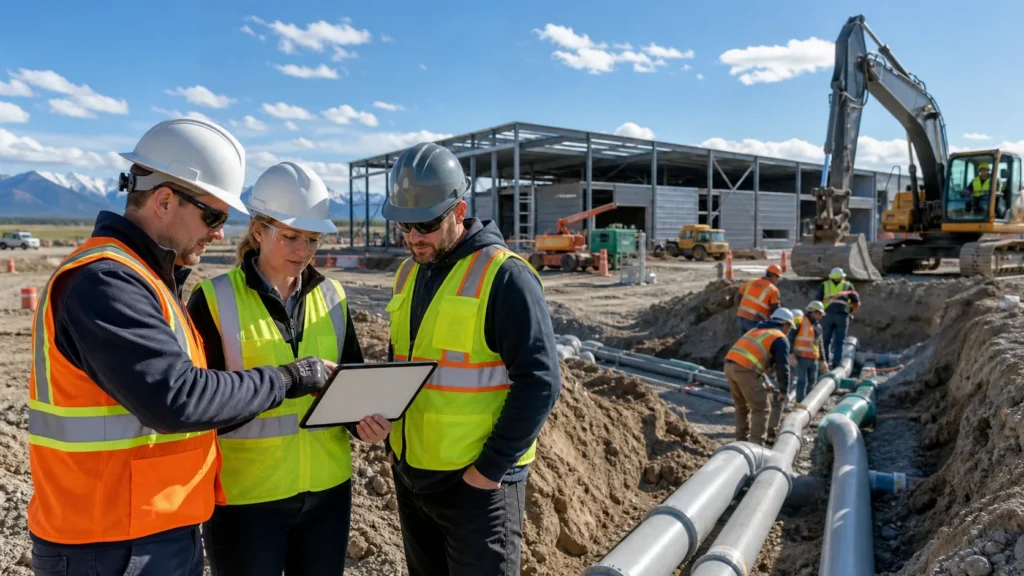
Servicing is where many industrial land plans slow down. Coordinating utility connections, drainage, and site works across multiple providers takes time, adds cost, and introduces scheduling risk that can be difficult to price accurately at the outset.
At Highfield Investment Group, full site servicing is included with our industrial sales and leases. Water, wastewater, stormwater management and drainage, natural gas, and landscaping are part of what we deliver, rather than a separate scope you need to source, budget, and manage yourself. That removes a significant category of uncertainty from the schedule and lets you focus on the building, the operation, and the business case behind it.
For businesses that want a defined path from decision to occupancy, this is often the difference between a project that moves and a project that stalls.
Demand Drivers Support Stronger Land Cases
Industrial demand in Alberta comes from more than one source. Energy services remain part of the picture, while transportation, warehousing, agriculture, food processing, construction, manufacturing, and new technology-related uses can also require yards, shops, storage, distribution space, and specialized buildings.
A varied group of possible users can help reduce dependence on one sector. That does not mean every industrial site suits every business. The strength of industrial land development in Alberta often depends on the specific community, road network, workforce access, nearby uses, and supply of competing land.
Good market research should look closely at the local area rather than relying on broad provincial assumptions. Useful questions include:
- Is industrial space being absorbed in this submarket? • What types of buildings and yards are users seeking? • Are lease conditions and vacancy trends changing? • Is a new industrial supply planned nearby? • Do municipal growth plans support the intended use?
Summer can be a practical time for this work. Field visits can reveal site access, drainage patterns, active construction, and nearby activity before weather shifts make conditions harder to assess. It can also give project teams time to align engineering and approvals with the next construction season.
Due Diligence Reduces Development Risk
A property may appear ideal for industrial use while still facing limits under local rules. Land use designations, zoning, permitted uses, setbacks, building height limits, site coverage rules, and parking requirements should be reviewed early. If redesignation, subdivision, or development approval is needed, the approval path may affect timing, carrying obligations, and the overall plan.
Technical and legal reviews matter just as much. Environmental assessments, soil testing, groundwater review, title searches, utility rights-of-way, easements, and access agreements can uncover issues that affect future development. These items are best understood before a purchase is finalized or a preliminary plan is treated as certain.
Financial modelling should be realistic and flexible. A complete model may account for acquisition, servicing, earthworks, studies, engineering, approvals, financing, property taxes, remediation allowances, and contingency funds. It should also compare different paths, such as holding the land, developing for owner occupancy, creating a build-to-suit project, or leasing completed space over time.
Flexible Planning Protects Future Upside
The best industrial plans leave room to adapt. A site that can accommodate different building sizes, loading layouts, outdoor storage needs, and phased construction may attract a broader pool of users. Flexibility also supports better exit options if market demand shifts.
Early discussions with municipalities, utility providers, neighbouring landowners, and technical advisors can identify concerns before they become delays. Traffic, stormwater, landscaping, compatible nearby uses, and servicing needs should be considered together. This type of planning supports responsible growth and gives capital partners more confidence in the project path.
Approvals should be seen as part of value creation, not just paperwork. A property with completed studies, defined servicing plans, a clear entitlement approach, and realistic timelines can be easier for future buyers, tenants, and partners to assess than raw land with uncertain potential.
Move From Potential to Investment Readiness
Investment-ready industrial land brings together a strategic location, serviceable infrastructure, durable demand, careful due diligence, and flexible planning. The strongest opportunities have a clear route from land ownership to a productive, income-generating, or marketable asset.
At Highfield Investment Group, we help businesses identify and prepare industrial properties that align with operational and investment goals, with site servicing included as part of what we deliver. Explore our approach to industrial land development in Alberta to see how we can support your next project. When you are ready to discuss your requirements, contact us for a practical consultation.